Technology Platforms
Adeno-
Associated
Virus
(AAV)
Vector Platform
Lentiviral (LV) Vector Platform
Hematopoietic
Stem Cell Platform
Platform
Programs
Our Focus
β-Thalassemia
Parkinson's Disease
Hemophilia
AIDS
6 billion
RMB average annual treatment cost in China
500 thousand
β-thalassemia major patients worldwide
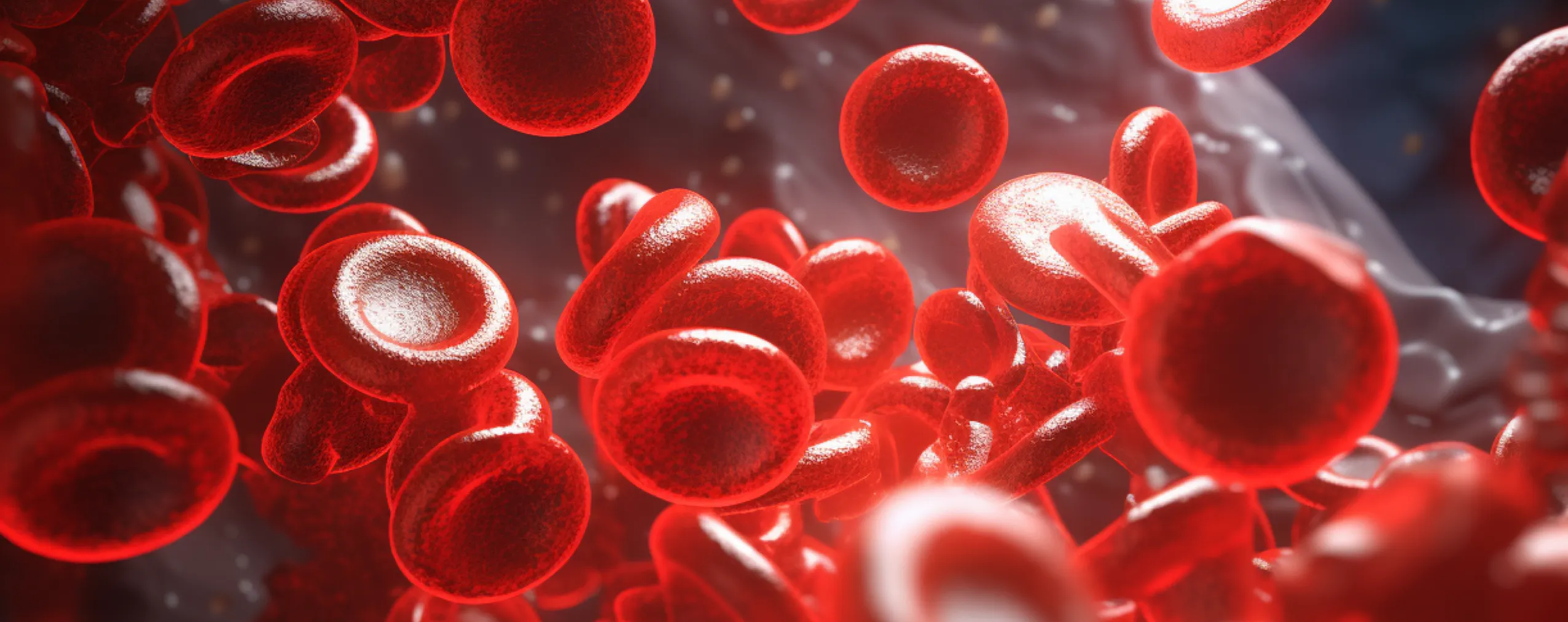
β-thalassemia is a blood disorder caused by an inherited genetic defect that affects the production of hemoglobin, specifically the synthesis of globin chains. Currently, there are two treatment options available for β-thalassemia. The first option is blood transfusion therapy, which involves regular blood transfusions and iron removal therapy throughout the patient's life. While this option helps manage the symptoms, it does not provide a cure for the disease and is associated with various serious complications. The average annual cost for this treatment ranges from 80,000 RMB to 100,000 RMB for adults. The second treatment option is transplantation therapy, specifically hematopoietic stem cell transplantation or cord blood transplantation. This method offers the potential for a cure, but finding a compatible donor can be challenging, limiting the number of patients who can undergo transplantation. Additionally, there is a risk of graft-versus-host disease (GvHD), and patients would need to take immunosuppressant drugs for the rest of their lives. The average cost for transplantation therapy is approximately 400,000 RMB. It is important to consider these treatment options in consultation with healthcare professionals to determine the most suitable approach for managing β-thalassemia.
8.5 million
patients worldwide
3 million
patients in China
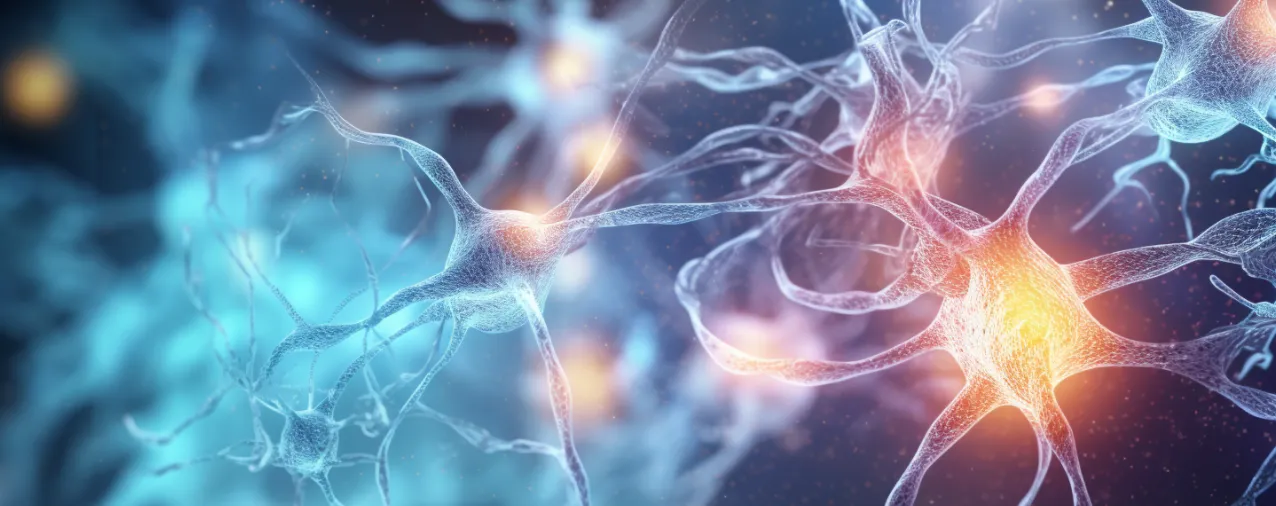
Parkinson's diseaseParkinson's disease is a neurological disorder characterized by the degeneration and loss of neurons in the substantia nigra region of the brain. This leads to a deficiency of dopamine, resulting in symptoms such as muscle stiffness, tremors, slow movement, and impaired balance and coordination. The current treatment options for Parkinson's disease include drug therapy, surgical interventions, and rehabilitation training. Drug therapy aims to improve motor function by increasing dopamine levels and addressing associated issues like depression and insomnia. However, it is important to note that drug treatments may have side effects. Surgical interventions, such as minimally invasive stereotactic navigation surgery and deep brain stimulation (DBS), can significantly improve motor symptoms. However, they do not provide a cure, and drug therapy is typically still required post-surgery. Rehabilitation training involves tailored exercises and therapies to address specific mobility impairments and enhance the patient's daily living skills and mental well-being. It plays a crucial role in supporting the overall management of Parkinson's disease.
≈280 k
critically ill patients worldwide
65-130 k
patients in China
Hemophilia is an inherited disorder characterized by impaired blood clotting. It is primarily caused by a deficiency or abnormal function of specific coagulation factors. There are three types of hemophilia: Hemophilia A (lack of clotting factor VIII), Hemophilia B (lack of clotting factor IX), and Hemophilia C (lack of clotting factor XI). The main symptom experienced by patients is a tendency to bleed easily or difficulty in stopping bleeding. Currently, the primary treatment approach involves administering regular injections of blood coagulation factors to manage bleeding episodes. However, even with this treatment, patients may still experience bleeding, leading to a poor quality of life.
38.4 million
people living with HIV worldwide at the end of 2021
1.148 million
people living with HIV in China at the end of 2021
AIDS is a chronic viral disease caused by the human immunodeficiency virus (HIV). This infection can have detrimental effects on the body's immune system, resulting in compromised immune function and increased susceptibility to infections and diseases. Common symptoms of AIDS include immune system failure, heightened vulnerability to infections, and the emergence of malignant tumors. Despite significant investments in AIDS treatment research, there is currently no cure for AIDS or a viable vaccine. Most treatments available aim to slow down or inhibit the spread of the virus within the body. The most commonly used treatment approach is cocktail therapy. However, this therapy has limitations, such as the potential development of drug resistance. Patients are required to take medication for extended periods, which can lead to significant side effects.
Pipeline
Kanglin's dedication to innovation and patient-centric approach has driven our focus towards addressing critical diseases such as AIDS, Parkinson's disease, β-thalassemia, hemophilia, and more. As a result, we have successfully developed multiple investigational programs that are backed by our proprietary intellectual property rights.
Indication
Discovery
Preclinical
Clinical POC
IND Application
Clinical Trial
Gene Therapy
Hemophilia
Parkinson's Disease
β-Thalassemia
AIDS
KL001

KL002
KL003
KL-AI20
Undisclosed projects